
Buffet Setup Strategy: How to Organize Food Stations as a Professional Event.
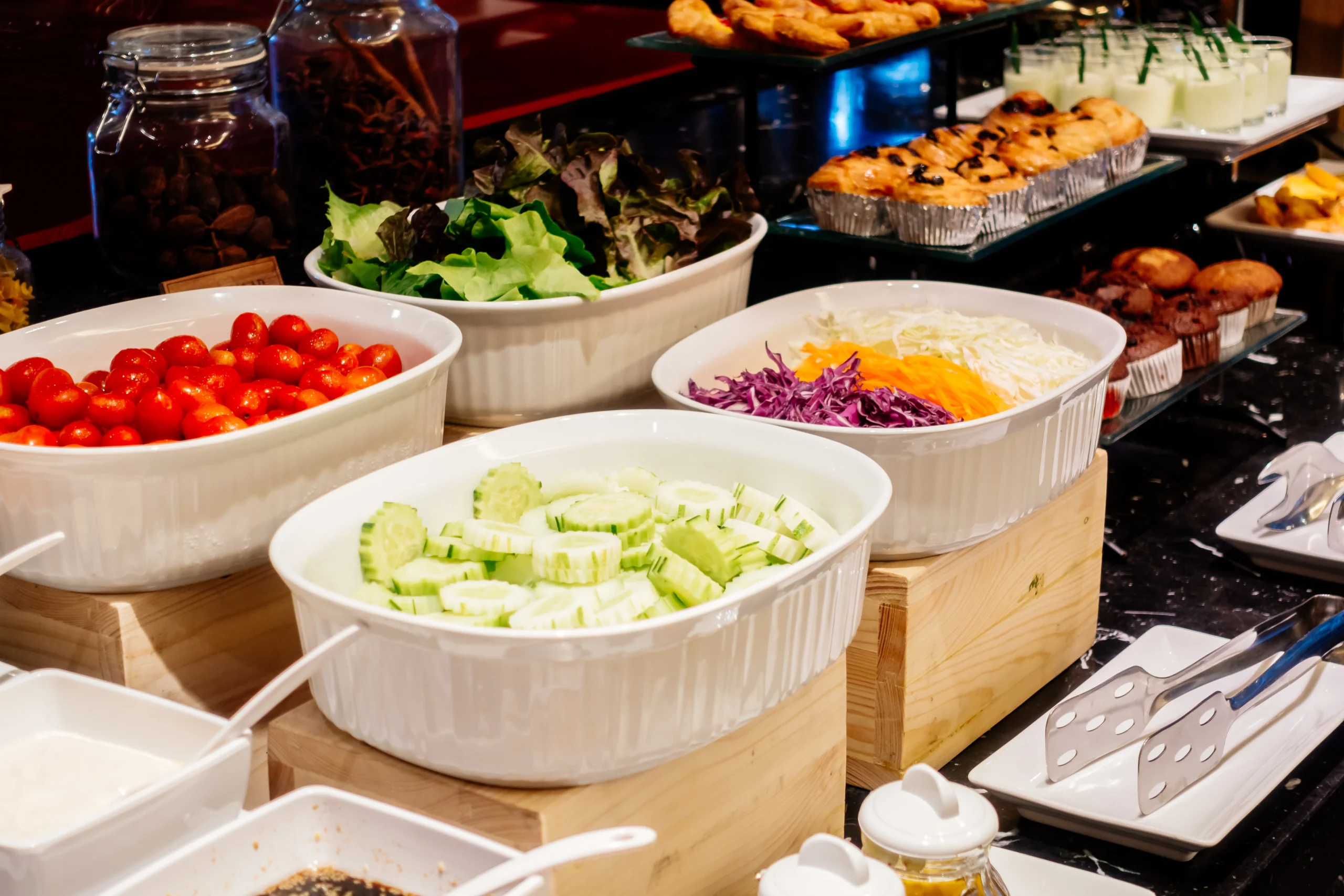
A buffet arrangement may appear simple but it may make or break the party. Flow in a buffet was not planned which has caused many people to form long queues, food spills, empty trays, and confusion of people who are guests. Professional buffet is not just a location, it is a flowing process interfering with the natural movement of guests, preservation of food, and high quality service. Buffet planning is a skill of an event and not merely a food set-up.
Experience advanced healing with regenerative therapy Dubai, using cutting-edge stem cells Dubai treatments and effective stem cell therapy Dubai for recovery and wellness.
The initial one is the choice of the appropriate buffet venue. It must be available without impeding entries. It must be able to enable people walk in both directions or a sufficient open field to keep waiting lines. The buffet should not be situated too close to the tight turns because it will cause congestion and inconvenience. Placing well produces serenity.
Book a professional bar service Toronto or event bar service Toronto, or choose a reliable event bar service Montreal for seamless and memorable events.
The second one is organization of food in proper order. Begin with dishes and knives and forks. Then add salads/light starters, main items, sides and desserts. In case food is not placed at the right moment, guests lose their meal and re-appear leading to congestion. Chaos is mitigated by professional flow.
The third one is congestion management through the various stations. In case of large number of guests, two buffet lines will ease waiting. You are able to copy some of the more common products such as bread, salads and beverages. Customers are concerned with speed and comfort. The longer waiting lines lessen the enjoyment of the events.
The fourth one is to make food labeling clear. Visitors do not want to imagine what a meal is. The labels can be useful particularly with vegetarian/non-vegetarian foods, spicy foods, allergen sensitive, and food that is kid friendly. Professionalism is demonstrated by clear labels and avoids confusion.
The fifth step is upkeeping of temperature and freshness. Hot food should remain hot and cold food should remain cold. Food is safe and healthy when stored on proper warmers and cold trays. Food safety is not optional. Between bad temperature control, there are taste problems and health hazards.
The sixth step is planning the tools of service right. The dishes must be provided with their own spoons/tongs. Eating with the same spoon with different dishes causes mixing, hygiene and confusion. Besides, have additional serving utensils prepared. Service must not be discontinued when a spoon falls.
The seventh step involves preparation of beverages separately. Beverage station must be separated out of main food station to avoid crowding. Drinks take more time to pour. Lines are extended in case of drinks assisting buffet. Flow is enhanced by separate station.
The eighth strategy is the refill strategy. An expert buffet has a full appearance. Refill trays in smaller quantities instead of at once putting up enormous quantities. This maintains food fresh and high-end appearance. Trays that are empty will give negative impression despite the availability of additional food in kitchen.
To sum up buffet arrangement is more of design than logistics. With a free-flowing business, guests are at peace. Service appears to be high-end when the stations are clear. The difference between amateur hosting and professional execution of events lies in Buffet success.
Polyethylene food packaging manufacturer and polyethylene extrusion packaging company delivering high-quality, food-safe polyethylene packaging solutions.